The Urban Revolution: How Work From Home Is Reshaping India
Work From Home (WFH) is becoming more than just a workplace trend in India — it is emerging as a practical solution to many urban challenges faced by major cities like Bengaluru and Mumbai. With growing traffic congestion, rising pollution, overcrowded public transport, and long daily commutes, remote work offers a smarter and more sustainable way of living and working.
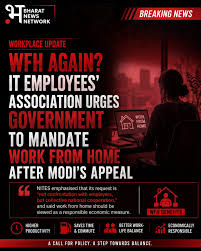
By allowing employees to work from home, cities can reduce the number of vehicles on roads, lower carbon emissions, and improve overall quality of life. WFH also helps professionals save commuting time, reduce stress, and achieve better work-life balance. Companies benefit too, through reduced office costs and increased flexibility.
As urban populations continue to grow, remote and hybrid work models could play a major role in building cleaner, less crowded, and more efficient cities across India.
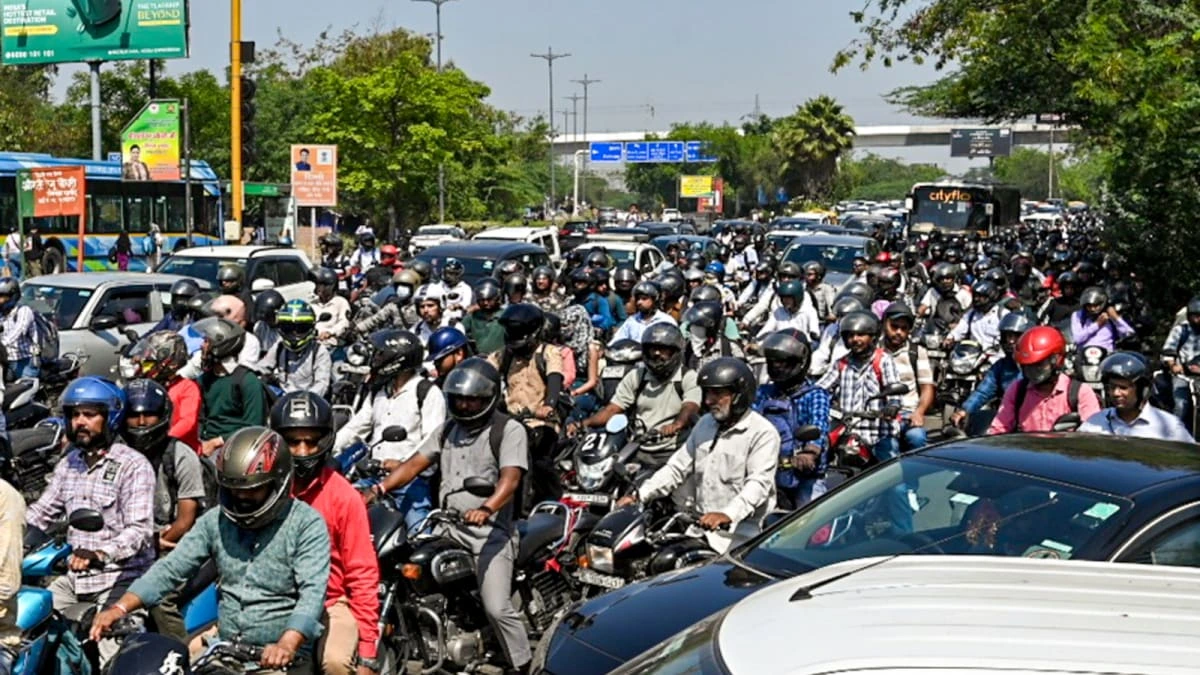
For office workers in cities like Bengaluru and Mumbai, the trip back home after a long workday has become exhausting and time-consuming. What should normally be a quick 30-minute commute often turns into a frustrating journey lasting two to three hours due to heavy traffic, overcrowded roads, and constant delays.
As urban populations continue to grow, daily commuting is affecting not only productivity but also people’s physical and mental well-being. Long hours spent in traffic lead to stress, fatigue, increased fuel expenses, and reduced personal time with family. This growing challenge has strengthened the conversation around work-from-home and hybrid work models as practical solutions for reducing congestion and improving quality of life in major Indian cities.
India relies on imports for nearly 85 percent of its crude oil needs, making fuel conservation an important economic priority. According to experts, adopting even partial work-from-home or hybrid work policies can significantly reduce fuel consumption by lowering the number of daily commuters on the road.
During the peak of the COVID-19 lockdown, India witnessed a sharp decline in its oil import expenses as transportation and industrial activities slowed significantly. The country’s crude oil import bill fell from nearly $101.4 billion in FY 2019–20 to approximately $62.2 billion in FY 2020–21, highlighting the impact of reduced travel and fuel consumption.
Although current conditions are far from the strict lockdown period, economists believe that flexible work models such as hybrid and remote work can still play an important role in reducing fuel consumption during times of global economic uncertainty. By cutting down daily commuting, these policies can help ease pressure on fuel demand while also reducing traffic congestion and pollution in major cities.




 By
By